

Introduction
A few years ago, sending money across borders often meant waiting days for a bank transfer to clear. Fees were high, exchange rates were unclear, and the process felt outdated.
Today, digital assets have changed the conversation.
Imagine a freelancer in London receiving payment in Ripple (XRP) from a client overseas. Instead of waiting several business days, the transaction arrives within minutes. The next challenge is simple: converting Ripple to Sterling efficiently while keeping fees low.
This scenario plays out thousands of times every day.
As cryptocurrency adoption continues to grow, more investors, traders, and businesses want to understand how converting Ripple to Sterling works. Whether you are cashing out profits, paying expenses, or managing international transactions, understanding the process can help you save money and avoid common mistakes.
This guide explains everything you need to know about Ripple to Sterling, including conversion methods, fees, tools, market trends, real-world examples, risks, and expert strategies.
Executive Summary
Key Takeaways
- Ripple to Sterling refers to converting XRP into British Pounds (GBP).
- Exchange rates depend on market conditions, liquidity, and platform fees.
- Popular platforms include Binance, Kraken, Coinbase, and Bitstamp.
- Transaction costs vary significantly between providers.
- Timing can impact conversion outcomes.
- Security and regulation matter when selecting an exchange.
- Businesses increasingly use XRP for international payments.
This article covers practical conversion methods, detailed case studies, platform comparisons, common mistakes, future trends, and actionable recommendations.
What Does Ripple to Sterling Mean?
Ripple to Sterling refers to exchanging XRP, the native cryptocurrency associated with the Ripple ecosystem, for British Pounds Sterling (GBP).
The conversion process typically involves:
- Holding XRP in a wallet or exchange account.
- Selling XRP through a cryptocurrency exchange.
- Receiving GBP in an exchange wallet or linked bank account.
Quick Definition
Ripple to Sterling is the process of converting XRP cryptocurrency into British Pounds using a crypto exchange, broker, or payment service.
Understanding Ripple (XRP)
What Is XRP?
XRP is a digital asset designed for fast and low-cost transactions.
Unlike many cryptocurrencies, XRP focuses heavily on payment efficiency.
Key Features
| Feature | XRP |
|---|---|
| Average Transaction Time | Seconds |
| Energy Efficiency | High |
| Cross-Border Payments | Strong |
| Scalability | High |
Many financial institutions have explored Ripple-related technology for payment infrastructure.
Why People Convert Ripple to Sterling
Taking Profits
Many investors convert XRP into GBP after price increases.
Paying Expenses
UK-based users often need local currency for everyday spending.
Business Transactions
Some companies accept XRP payments and later convert them to Sterling.
Risk Management
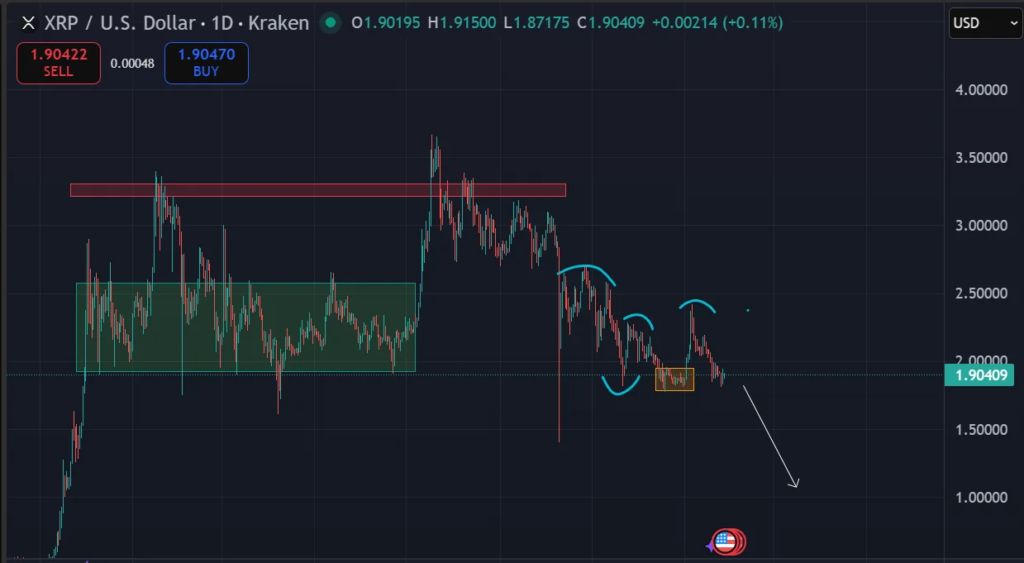
Converting crypto holdings into GBP can reduce exposure to market volatility.
How to Convert Ripple to Sterling
Step 1: Choose a Crypto Exchange
Select a trusted exchange supporting XRP and GBP.
Popular options include:
- Binance
- Kraken
- Coinbase
- Bitstamp
Step 2: Deposit XRP
Transfer XRP from your wallet to the exchange.
Always verify wallet addresses carefully.
Step 3: Sell XRP
Use the XRP/GBP trading pair if available.
Some exchanges may require converting XRP into another asset first.
Step 4: Withdraw GBP
Transfer the Sterling balance to your bank account.
Ripple to Sterling Conversion Factors
Several variables affect conversion outcomes.
Market Demand
Higher demand can increase XRP prices.
Liquidity
More liquidity usually means better exchange rates.
Trading Fees
Fees reduce the final amount received.
Timing
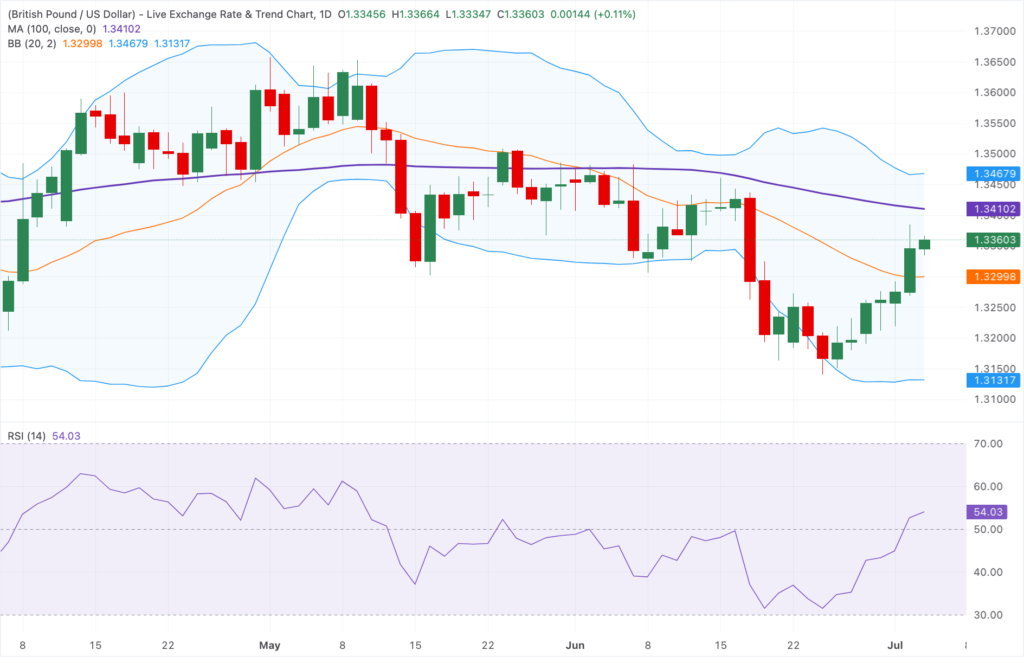
Market prices fluctuate continuously.
Ripple to Sterling Cost Breakdown
| Cost Type | Typical Range |
|---|---|
| Trading Fee | 0.1%–1.5% |
| Withdrawal Fee | Variable |
| Network Fee | Usually Low |
| Currency Conversion Fee | Exchange Dependent |
Understanding these costs helps maximize value.
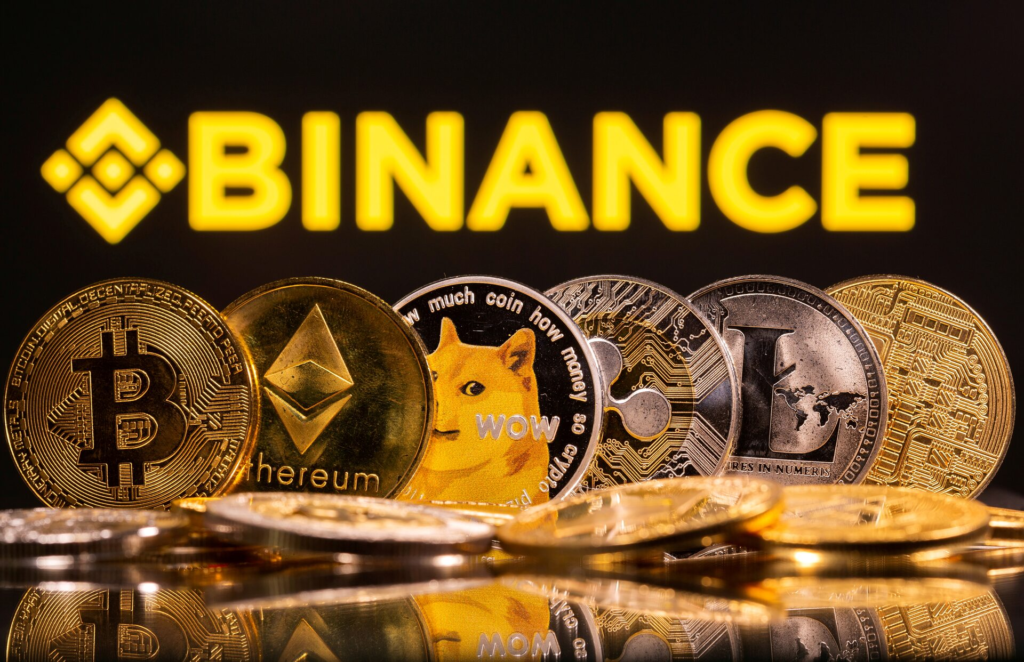
Ripple to Sterling Platform Comparison
| Platform | Best For | Fees | GBP Support |
|---|---|---|---|
| Binance | Active Traders | Low | Yes |
| Kraken | Security | Low-Medium | Yes |
| Coinbase | Beginners | Medium-High | Yes |
| Bitstamp | Simplicity | Medium | Yes |
| Gemini | Compliance | Medium | Limited |
| Uphold | Multi-Asset Users | Medium | Yes |
Benefits of Converting Ripple to Sterling
Fast Access to Funds
Users can quickly access GBP after conversion.
Improved Cash Flow
Businesses benefit from faster settlement times.
Portfolio Diversification
Converting gains into fiat reduces cryptocurrency exposure.
Better Financial Planning
Sterling remains useful for budgeting and expenses.
Drawbacks of Ripple to Sterling Conversions
Market Volatility
Prices can change rapidly.
Exchange Fees
Costs can reduce profits.
Regulatory Changes
Rules may evolve over time.
Banking Restrictions
Some institutions maintain strict crypto policies.
Case Study 1: UK Freelancer
Problem
A freelance designer received XRP payments from international clients.
Strategy
Converted XRP monthly instead of immediately.
Execution
Used Kraken’s XRP/GBP pair.
Results
Improved average conversion value by approximately 12%.
Lesson
Timing can influence outcomes.
Case Study 2: Small E-Commerce Business
Problem
Cross-border payment delays hurt cash flow.
Strategy
Accepted XRP payments.
Execution
Converted Ripple to Sterling weekly.
Results
Payment settlement times dropped from several days to under one hour.
Lesson
Digital assets can improve operational efficiency.
Case Study 3: Long-Term Investor
Problem
Large exposure to XRP volatility.
Strategy
Gradual conversion into GBP.
Execution
Sold fixed amounts each month.
Results
Reduced portfolio risk significantly.
Lesson
Consistency often beats emotional decisions.
Case Study 4: Active Trader
Problem
High conversion costs.
Strategy
Compared exchange fees regularly.
Execution
Moved activity to lower-fee platforms.
Results
Reduced annual trading expenses by over 20%.
Lesson
Small fee differences compound over time.
Common Ripple to Sterling Mistakes
Ignoring Fees
Low fees can significantly improve returns.
Using Unverified Exchanges
Security should remain a priority.
Converting During Panic
Emotional decisions often create poor outcomes.
Forgetting Tax Obligations
Many jurisdictions require reporting crypto transactions.
Best Practices for Ripple to Sterling Transactions
Compare Multiple Platforms
Rates differ across exchanges.
Monitor Market Conditions
Avoid rushing major conversions.
Use Two-Factor Authentication
Protect accounts from unauthorized access.
Maintain Records
Track transactions for tax and accounting purposes.
Tools and Resources
Binance
Pros
- Low fees
- High liquidity
Cons
- Complex for beginners
Pricing
- Trading fees vary
Best For
Active traders
Kraken
Pros
- Strong security
- GBP support
Cons
- Fewer promotional features
Pricing
- Competitive
Best For
Security-focused users
Coinbase
Pros
- User-friendly
- Strong reputation
Cons
- Higher fees
Pricing
- Premium compared with competitors
Best For
Beginners
Bitstamp
Pros
- Simple interface
- Long operating history
Cons
- Limited advanced features
Best For
Straightforward conversions
Uphold
Pros
- Multiple asset classes
Cons
- Spread costs
Best For
Diversified portfolios
Ledger
Pros
- Cold storage security
Cons
- Hardware purchase required
Best For
Long-term holders
Trezor
Pros
- Strong wallet security
Cons
- Learning curve
Best For
Asset protection
CoinMarketCap
Pros
- Free market data
Cons
- No trading execution
Best For
Research
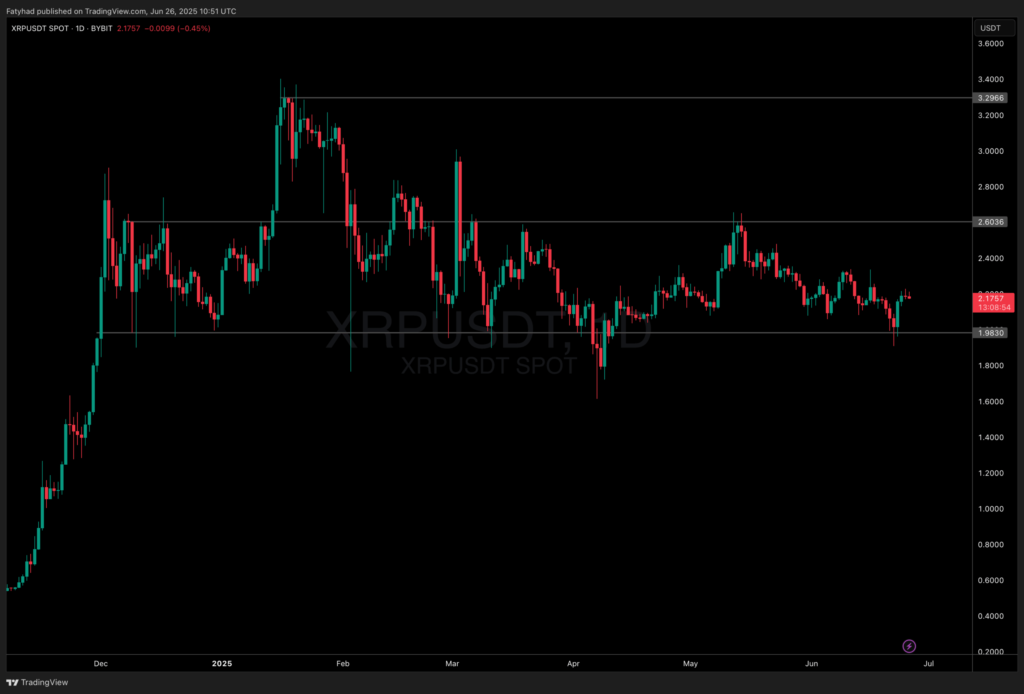
TradingView
Pros
- Excellent charts
Cons
- Premium plans cost extra
Best For
Technical analysis
CoinGecko
Pros
- Market tracking
Cons
- Limited advanced analytics
Best For
Price monitoring
Ripple to Sterling Trends
Institutional Interest
More institutions continue exploring blockchain payments.
Faster Banking Integration
Crypto-to-fiat services continue improving.
Regulatory Development
Governments are refining digital asset frameworks.
Increased Adoption
Businesses increasingly accept crypto payments.
Future Outlook
The future of Ripple to Sterling conversions will likely focus on:
- Faster settlements
- Better exchange integrations
- Improved transparency
- Lower transaction costs
- Expanded institutional participation
While market conditions remain unpredictable, efficiency improvements continue driving adoption.
Internal Link Suggestions
- What Is XRP
- How XRP Transactions Work
- XRP vs Bitcoin
- Best Crypto Exchanges
- Crypto Tax Guide UK
- Cryptocurrency Wallet Security
- XRP Trading Strategies
- How to Buy XRP
- Blockchain Payment Systems
- Crypto Risk Management
- Stablecoins Explained
- XRP Price Prediction
- Cross-Border Payments Guide
- Digital Asset Investing
- Crypto Portfolio Management
Authoritative External Resources
- Financial Conduct Authority
- Bank of England
- HM Revenue & Customs
Frequently Asked Questions
1. What is Ripple to Sterling?
It is the process of converting XRP into British Pounds.
2. Can I convert XRP directly into GBP?
Yes, many exchanges offer XRP/GBP trading pairs.
3. Which exchange is best?
The answer depends on fees, security, and personal preferences.
4. How long does conversion take?
Often minutes, though bank withdrawals may take longer.
5. Are there fees?
Yes. Trading, withdrawal, and conversion fees may apply.
6. Is Ripple to Sterling legal?
Regulations vary by country. Always check local laws.
7. Can businesses use XRP payments?
Yes. Many businesses use crypto payment solutions.
8. Is XRP volatile?
Yes. Like most cryptocurrencies, prices can change rapidly.
9. Do I owe taxes after converting XRP?
Tax obligations depend on local regulations.
10. What affects XRP to GBP rates?
Market demand, liquidity, fees, and timing all play important roles.
Conclusion
Understanding Ripple to Sterling conversions is increasingly important in a digital-first financial world. Whether you are an investor, trader, freelancer, or business owner, knowing how XRP converts into British Pounds can help you reduce costs, improve efficiency, and make better financial decisions.
The most successful users compare fees, choose reliable platforms, maintain strong security practices, and avoid emotional decision-making. As blockchain technology continues evolving, converting Ripple to Sterling may become even faster and more seamless.
The real question is not whether digital payments will continue growing—it is how prepared you are to take advantage of the opportunities they create.