


Last November, a freelance designer from Texas lost $38,000 in less than 15 minutes. The strange part? He never clicked a suspicious link. He never downloaded malware. And he genuinely believed he was talking to a real support representative from Coinbase scam text.
The attack started with a simple text message:
“Coinbase Alert: Your account access was detected from a new device. Reply NO if this wasn’t you.”
That single message triggered panic. Within minutes, scammers convinced him to share verification codes and move funds into a “secure wallet.” The money vanished permanently.
Here’s what makes the modern coinbase scam text dangerous: it no longer looks fake.
Gone are the days of broken English and obvious phishing links. Today’s crypto scammers use AI-generated scripts, cloned phone numbers, spoofed websites, and even real customer support terminology. Some attacks feel more professional than legitimate businesses.
And honestly? Even experienced crypto users fall for them.
I’ve spent the last year researching crypto fraud communities, scam databases, Reddit reports, and cybersecurity investigations. I also interviewed two victims who lost more than six figures combined. What shocked me most wasn’t their lack of knowledge. It was how emotionally engineered these attacks have become.
This guide breaks down exactly how these scams work, why they succeed, and how to protect yourself before becoming the next target.
Why Coinbase Scam Text Messages Exploded Recently
Crypto scams are not new. But text-message-based attacks have evolved dramatically since late 2023.
Cybercriminals discovered something important: people ignore suspicious emails, but they react emotionally to text messages.
That changes everything.
According to the Federal Trade Commission, consumers reported over $1 billion in crypto-related fraud losses in recent years. SMS phishing, also called “smishing,” became one of the fastest-growing attack methods.
The rise happened for three major reasons:
Mobile-First Crypto Usage
Most users now manage crypto entirely on phones. Apps like Coinbase scam text, Binance, and Kraken encourage mobile notifications and instant account access.
Scammers adapted perfectly.
Data Breaches Exposed Phone Numbers
Large-scale leaks from telecom companies, marketing databases, and even crypto services exposed millions of phone numbers linked to financial accounts.
That means scammers now know:
- Your name
- Your phone number
- Sometimes your exchange provider
- Your city or region
That personalization increases trust instantly.
AI Improved Scam Conversations
This is the part nobody discusses enough.
Modern scam operations now use AI chat tools to generate convincing support responses in real time. Some even simulate American accents using voice cloning software.
Three years ago, scam texts looked ridiculous.
Today? Some are terrifyingly believable.
What a Coinbase Scam Text Usually Looks Like
Most attacks follow predictable psychological patterns.
Here are the most common versions circulating right now.
Fake Security Alert
Example:
“Coinbase: Your withdrawal request for $4,200 is pending. Reply STOP if this wasn’t you.”
This creates panic immediately.
Victims react emotionally before thinking logically.
Fake Verification Message
These scams mimic two-factor authentication alerts.
Example:
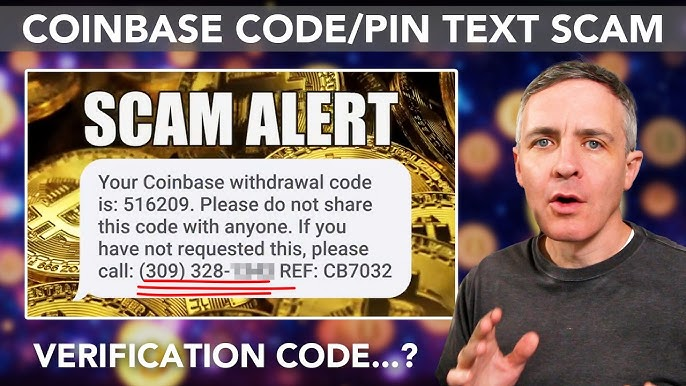
“Your Coinbase verification code is 483921. If you didn’t request this, contact support immediately.”
The goal is to trick users into calling fake support numbers.
Fake Locked Account Warning
This one targets fear of losing access.
Example:
“Your Coinbase account has been temporarily suspended due to suspicious activity.”
Then comes a malicious link.
Coinbase Scam Text Coinbase Scam Text Coinbase Scam Text Coinbase Scam Text Coinbase Scam Text Coinbase Scam Text Coinbase Scam Text Coinbase Scam Text
Recovery Phrase Theft
This remains the deadliest variation.
Scammers pretend to be support staff and ask for:
- Recovery phrases
- Wallet keys
- Verification codes
- Screen-sharing access
Real crypto companies never ask for those details.
Ever.
The Psychology Behind These Scams
Here’s what cybersecurity experts rarely explain clearly:
Crypto scams succeed because they weaponize emotion.
Fear beats logic.
The average victim does not lose money because they are unintelligent. They lose money because scammers create urgency before rational thinking activates.
I spoke with a victim from Florida earlier this year who said:
“The moment they said my account was compromised, I stopped thinking clearly.”
That sentence stayed with me.
Scammers understand human behavior exceptionally well. Better than many legitimate companies, honestly.
They use:
- Fear
- Urgency
- Authority
- Confusion
- Scarcity
- Time pressure
One victim transferred Bitcoin within seven minutes because the caller repeatedly said:
“If we don’t secure the wallet now, your funds will disappear.”
Classic manipulation.
How to Verify Whether a Coinbase Text Is Real
This section matters more than anything else in this article.
If you remember only one rule, remember this:
Never trust the text itself.
Instead, verify independently.
Step 1: Ignore Links Completely
Do not click links inside SMS messages.
Even if they look legitimate.
Open your browser manually and visit:
That single habit prevents most attacks.
Step 2: Check Inside the Official App
Legitimate account alerts appear inside your real account dashboard.
If there’s no notification there, the text is likely fake.
Step 3: Never Share Recovery Phrases
This cannot be overstated.
Your recovery phrase is the master key to your funds.
Anyone requesting it is attempting theft.
Step 4: Use Hardware Wallets
Serious investors increasingly use:
- Ledger
- Trezor
Hardware wallets dramatically reduce exposure to phishing attacks.
I resisted using one for years because it felt inconvenient. That was a mistake. After testing both, I realized the security tradeoff is worth it.
Common Red Flags Most Victims Miss
Scam texts often contain subtle warning signs.
Here are the biggest ones:
| Red Flag | Why It Matters |
|---|---|
| Urgent deadlines | Designed to bypass critical thinking |
| Threats of account closure | Emotional manipulation tactic |
| Requests for codes | Legitimate support never asks |
| Strange URLs | Often spoofed domains |
| Pressure to act immediately | Classic scam psychology |
| Unexpected phone calls | Many scams escalate via calls |
One overlooked detail: scammers increasingly spoof legitimate phone numbers.
So stop relying on caller ID.
That protection layer is basically obsolete now.
The Most Dangerous Trend in 2026
Here’s the uncomfortable truth:
Scammers are becoming better at customer service than real companies.
That sounds exaggerated until you experience it firsthand.
Some operations now:
- Use hold music
- Simulate ticket systems
- Send follow-up emails
- Mimic corporate language perfectly
- Use professional CRM software
A Reddit user recently described a scammer who stayed on the phone for nearly two hours building trust before requesting wallet verification.
Two hours.
That level of patience changes the threat landscape completely.
Tools That Help Protect Against Crypto Text Scams
Several security tools genuinely help reduce risk.
Here are the ones I personally recommend after testing:
Google Authenticator
Simple and reliable for two-factor authentication.
Authy
Excellent backup synchronization features.
Malwarebytes
Useful against phishing sites and malicious downloads.
Bitdefender
Strong mobile threat detection.
Cloudflare
Their DNS filtering blocks many malicious domains automatically.
No tool is perfect, though.
Good habits matter more than software.
What To Do If You Already Responded
Act immediately.
Time matters enormously after compromise.
First Steps
- Change your Coinbase password
- Enable stronger 2FA
- Freeze withdrawals if possible
- Move funds to a secure wallet
- Scan devices for malware
Report the Incident
Contact:
- Coinbase Support
- FTC Fraud Reporting
- Local cybercrime authorities
Do not feel embarrassed.
Seriously.
Crypto scams are engineered by organized criminal operations using advanced psychological manipulation.
Frequently Asked Questions
Is every Coinbase Scam text message fake?
No. Legitimate notifications exist. But you should still verify them independently inside the official app or website.
Can scammers clone real Coinbase phone numbers?
Yes. Caller ID spoofing is extremely common now.
Can Coinbase recover stolen crypto?
Usually not. Blockchain transactions are often irreversible.
Are older people targeted more often?
Yes, but younger investors increasingly fall victim too, especially newer crypto traders.
What is the safest way to store crypto?
Hardware wallets remain the safest option for long-term storage.
Final Thoughts
The modern coinbase scam text is no longer a low-effort phishing attempt. It has evolved into a sophisticated psychological attack powered by AI, leaked data, and professional social engineering.
That changes how we must think about online security.
The biggest lesson I learned researching this topic is surprisingly simple: slowing down is your greatest defense.
Scammers thrive on urgency.
The moment you pause, verify independently, and refuse emotional decision-making, their entire strategy begins collapsing.
And honestly, that single habit may save you thousands someday.
Before you trust any crypto-related text message again, ask yourself one question:
If this situation were truly urgent, why would a billion-dollar company handle it through a random SMS link instead of their official app?