

Meta Description: Discover everything about the LTC blockchain, including how it works, its features, mining process, security, real-world use cases, benefits, risks, and future potential. Learn why Litecoin remains one of the most trusted blockchain networks.
Introduction
Cryptocurrency has evolved far beyond a niche technology. Today, millions of people use digital assets for investing, payments, and international transfers. While Bitcoin often dominates the headlines, another blockchain has quietly built a strong reputation for speed, reliability, and low transaction costs—the LTC blockchain.
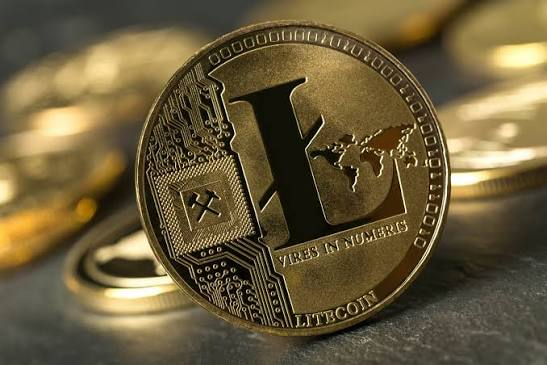
Created in 2011 by Charlie Lee, Litecoin was designed to complement Bitcoin rather than replace it. It aimed to provide faster confirmations, lower fees, and a more efficient payment network. More than a decade later, Litecoin continues to process millions of transactions and remains one of the most recognized cryptocurrencies in the world.
Whether you’re a beginner exploring blockchain technology or an investor researching digital assets, understanding the LTC blockchain can help you make better decisions. This guide explains how Litecoin works, its advantages, limitations, practical applications, and what the future may hold.
Executive Summary
Here are the key takeaways:
- LTC blockchain is the decentralized network that powers Litecoin (LTC).
- Litecoin offers faster transaction confirmation than Bitcoin.
- The network uses the Scrypt mining algorithm.
- Lower transaction fees make Litecoin suitable for everyday payments.
- The blockchain is secured through Proof-of-Work (PoW) mining.
- Litecoin continues to evolve through protocol upgrades and ecosystem development.
What Is the LTC Blockchain?
The LTC blockchain is the decentralized ledger that records every Litecoin transaction. Instead of relying on a central authority, thousands of computers around the world verify and maintain the network.
Each transaction is grouped into a block. Once verified, the block becomes a permanent part of the blockchain. This creates a transparent and tamper-resistant record of all activity.
Because the network is decentralized, no single organization controls Litecoin. Security comes from cryptography, consensus rules, and a distributed network of miners.
The History of Litecoin
Litecoin was launched in October 2011 by former Google engineer Charlie Lee.
Its goal was to improve on Bitcoin in several areas:
- Faster block generation
- Lower transaction costs
- Improved payment efficiency
- Wider accessibility for miners
Although Litecoin shares many similarities with Bitcoin, it introduced several technical differences that helped it develop its own identity.
How the LTC Blockchain Works
Every Litecoin transaction follows a simple process.
Step 1: Transaction Creation
A user sends Litecoin from one wallet to another.
The transaction includes:
- Sender address
- Receiver address
- Amount
- Digital signature
Step 2: Broadcasting
The transaction is sent across the Litecoin network.
Nodes verify whether the transaction follows network rules.
Step 3: Mining
Miners compete to solve complex mathematical problems.
The winning miner adds the transaction to a new block.
Step 4: Confirmation
The block is added permanently to the blockchain.
Once confirmed, the transaction becomes extremely difficult to reverse.
Key Features of the LTC Blockchain
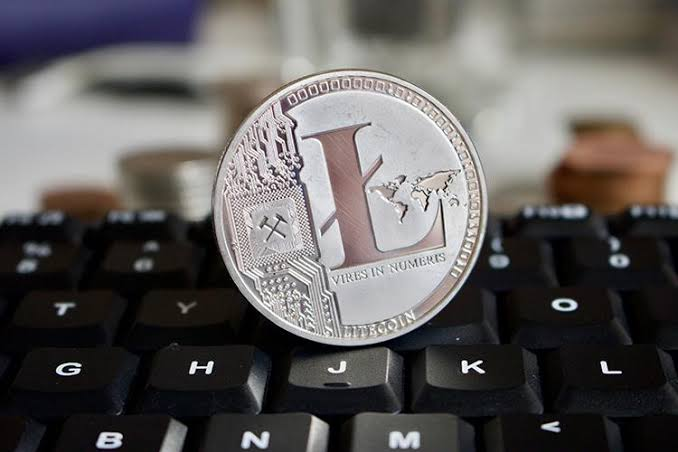
Faster Block Times
Litecoin creates a new block approximately every 2.5 minutes, compared to Bitcoin’s average of 10 minutes.
This allows users to receive confirmations more quickly.
Lower Transaction Fees
One reason many users prefer Litecoin is its relatively low transaction costs.
This makes the network practical for:
- Small purchases
- Cross-border payments
- Online transactions
- Peer-to-peer transfers
Proof-of-Work Consensus
Like Bitcoin, Litecoin uses Proof-of-Work (PoW).
Miners secure the network by validating transactions and adding new blocks.
Scrypt Mining Algorithm
Instead of Bitcoin’s SHA-256 algorithm, Litecoin uses Scrypt.
This algorithm was originally designed to make mining more accessible by requiring different hardware characteristics.
Limited Supply
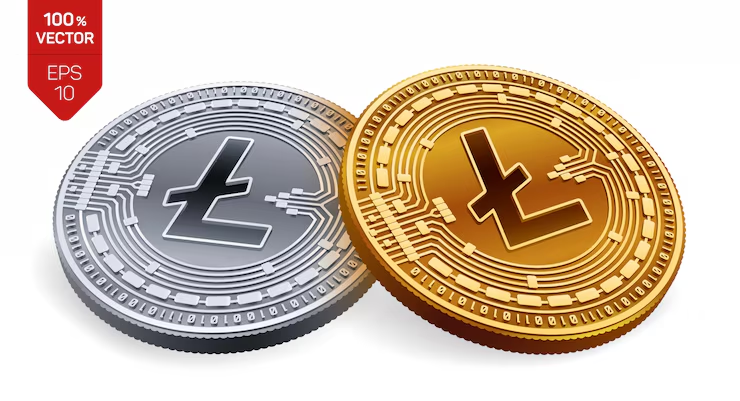
Litecoin has a maximum supply of 84 million coins, four times Bitcoin’s maximum supply.
Scarcity helps maintain predictable issuance over time.
Benefits of the LTC Blockchain
The Litecoin network offers several advantages.
Fast Transactions
Shorter block times improve payment speed.
Reliable Security
Years of continuous operation have strengthened confidence in the network.
Global Accessibility
Anyone with internet access can participate.
Open-Source Development
Developers continue improving the Litecoin ecosystem through community-driven innovation.
Strong Liquidity
Litecoin is listed on many major cryptocurrency exchanges.
Real-World Use Cases
The LTC blockchain supports various practical applications.
International Payments
Users can transfer value across borders without relying on traditional banking systems.
Online Shopping
Some merchants accept Litecoin as payment for products and services.
Investment
Many investors include Litecoin within diversified cryptocurrency portfolios.
Merchant Payments
Businesses may benefit from lower transaction costs compared with some traditional payment systems.
Value Transfer
Individuals use Litecoin for quick peer-to-peer transfers around the world.
Advantages and Disadvantages
| Advantages | Disadvantages |
|---|---|
| Faster confirmations | High market volatility |
| Low transaction fees | Faces competition from newer blockchains |
| Decentralized network | Price depends on market sentiment |
| Strong security | Mining requires specialized hardware |
| Global accessibility | Regulatory changes may affect adoption |
Why Investors Still Watch Litecoin
Although many newer cryptocurrencies have emerged, Litecoin remains relevant because of its:
- Long operating history
- Proven security
- Active community
- Reliable payment capabilities
- Strong exchange support
These characteristics continue to attract investors looking for established blockchain projects.

Continue Reading
Part 2 will cover:
- Litecoin mining explained
- Security and network architecture
- Comparison with Bitcoin and Ethereum
- Cost analysis
- Best wallets and blockchain tools
- Real-world case studies
- Expert investment tips
- Common mistakes to avoid
- Future industry trends and market outlook