
Meta Description: Explore the most important Uni Themen Blockchain topics, including blockchain fundamentals, research ideas, university projects, career paths, and future trends. Learn how blockchain is transforming education, finance, healthcare, and business.
Introduction
Blockchain technology has moved far beyond cryptocurrencies. Today, universities around the world teach blockchain as part of computer science, finance, cybersecurity, business, and law programs. Students are increasingly searching for Uni Themen Blockchain because the technology is becoming an essential part of digital transformation.
Imagine being assigned a university research project on blockchain. You quickly discover hundreds of possible topics, from decentralized finance (DeFi) and smart contracts to supply chain management and digital identity. Choosing the right topic can feel overwhelming.
This guide simplifies the process. It explains the most important Uni Themen Blockchain ideas, highlights current research trends, and offers practical advice for students who want to build valuable knowledge and career skills.
Executive Summary
In this guide, you will learn:
- What Uni Themen Blockchain means.
- Why blockchain has become an important university subject.
- Popular blockchain research topics.
- Advantages and challenges of blockchain.
- Practical applications across industries.
- Helpful tools for blockchain learning.
- Career opportunities after studying blockchain.
- Future trends shaping blockchain education.
What Does “Uni Themen Blockchain” Mean?
The phrase Uni Themen Blockchain refers to blockchain-related topics that students study or research at universities. These subjects range from basic blockchain concepts to advanced applications in finance, healthcare, logistics, cybersecurity, and artificial intelligence.
Many universities now include blockchain courses because businesses increasingly demand professionals with blockchain knowledge.
Why Universities Teach Blockchain
Blockchain has become one of the fastest-growing technology fields.
Universities include blockchain in their curriculum because it supports innovation in many industries.
Students learn about:
- Distributed ledger technology
- Cryptography
- Smart contracts
- Cryptocurrency
- Digital identity
- Cybersecurity
- Enterprise blockchain
- Decentralized applications (DApps)
Core Blockchain Topics for University Students
1. Blockchain Fundamentals
Students begin by learning:
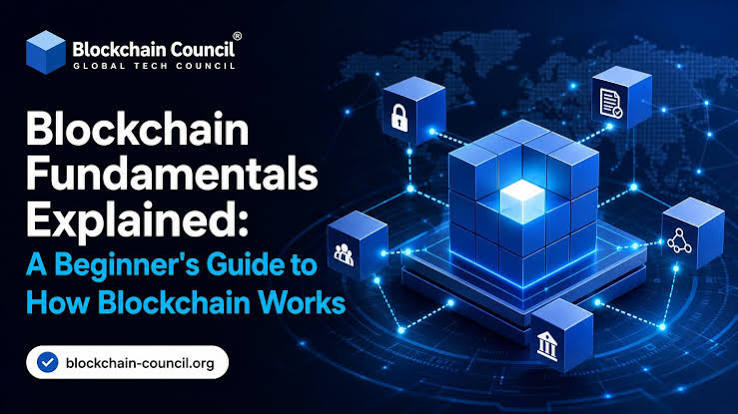
- How blockchain works
- Blocks and transactions
- Consensus mechanisms
- Network security
- Decentralization
A strong foundation makes advanced topics easier to understand.
2. Cryptocurrency
Many courses explain cryptocurrencies such as:
- Bitcoin
- Ethereum
- Litecoin
- Solana
Students learn how digital currencies operate and how blockchain supports them.

3. Smart Contracts
Smart contracts are programs that execute automatically when predefined conditions are met.
They reduce the need for intermediaries and improve transaction efficiency.
4. Decentralized Finance (DeFi)
DeFi allows users to access financial services without traditional banks.
Students explore:
- Lending
- Borrowing
- Decentralized exchanges
- Liquidity pools
- Stablecoins
5. Blockchain Security
Security is one of blockchain’s strongest features.
University courses often include:
- Cryptographic hashing
- Digital signatures
- Network attacks
- Private keys
- Wallet security
Popular University Research Topics
Students frequently choose research projects such as:
- Blockchain in healthcare
- Blockchain for supply chain management
- Government blockchain adoption
- Blockchain voting systems
- Digital identity verification
- NFT technology
- Tokenization of assets
- Enterprise blockchain
- Green blockchain solutions
- Blockchain and artificial intelligence
Benefits of Learning Blockchain
Studying blockchain offers many advantages.
High Career Demand
Companies continue hiring blockchain developers, analysts, consultants, and researchers.
Global Opportunities
Blockchain skills are valuable across many countries and industries.
Strong Technical Foundation
Students improve their understanding of:
- Programming
- Cybersecurity
- Data management
- Networking
- Cryptography
Innovation
Blockchain encourages creative problem-solving.
Challenges of Blockchain Research
Students should also understand its limitations.
Common challenges include:
- Complex technical concepts
- Rapid technology changes
- Regulatory uncertainty
- Limited standardization
- Scalability concerns
Understanding these issues creates balanced research.
Best Tools for Blockchain Students
| Tool | Purpose | Best For |
|---|---|---|
| Remix IDE | Smart contract development | Beginners |
| MetaMask | Crypto wallet | Testing DApps |
| Ethereum Remix | Solidity coding | Developers |
| GitHub | Version control | Team projects |
| Visual Studio Code | Programming | Blockchain coding |
| Ganache | Local blockchain testing | Development |
| Hardhat | Smart contract framework | Advanced projects |
| Truffle Suite | Blockchain development | Enterprise applications |
Best Practices for Students
To succeed in blockchain studies:
- Build a strong programming foundation.
- Learn blockchain terminology.
- Practice with small projects.
- Read academic research papers.
- Join blockchain communities.
- Stay updated with industry news.
Common Mistakes
Avoid these common errors:
- Focusing only on cryptocurrency.
- Ignoring blockchain security.
- Choosing overly broad research topics.
- Skipping hands-on practice.
- Depending only on theoretical knowledge.
Career Opportunities
Blockchain education can lead to careers such as:
- Blockchain Developer
- Smart Contract Engineer
- Cybersecurity Analyst
- Blockchain Consultant
- FinTech Specialist
- Data Analyst
- Research Scientist
- Software Engineer
Future Trends
Blockchain education continues evolving.
Emerging areas include:
- AI and blockchain integration
- Central Bank Digital Currencies (CBDCs)
- Enterprise blockchain platforms
- Digital identity systems
- Tokenized real-world assets
- Sustainable blockchain technologies
Students who develop expertise in these areas may benefit from growing career opportunities.
Frequently Asked Questions
What does Uni Themen Blockchain mean?
It refers to blockchain-related academic topics studied in universities, including research projects, coursework, and dissertations.
Is blockchain difficult to learn?
Beginners may find some concepts challenging, but consistent practice and structured learning make the subject easier over time.
Which programming language is useful?
Many blockchain developers learn Solidity, JavaScript, Python, and Rust, depending on the platform they use.
Is blockchain only about cryptocurrency?
No. Blockchain supports applications in finance, healthcare, logistics, government, cybersecurity, and many other industries.
What careers are available after studying blockchain?
Students may pursue roles in software development, cybersecurity, financial technology, consulting, research, and blockchain engineering.
Conclusion
Uni Themen Blockchain offers students an exciting opportunity to explore one of the most influential technologies of the digital age. From cryptocurrencies and smart contracts to enterprise applications and decentralized finance, blockchain continues to create new possibilities across industries.
Success in blockchain studies requires more than understanding theory. Students who combine academic research with practical projects, programming skills, and continuous learning will be better prepared for future careers. As blockchain adoption grows worldwide, universities will continue expanding their courses, creating even more opportunities for the next generation of technology professionals.