

Crypto moves fast. Brutally fast.
One Tuesday morning in March 2024, Bitcoin dropped nearly 8% before breakfast in New York. By lunch, most beginner traders had panic sold. By evening, experienced traders were buying the dip aggressively while social media screamed “crypto is dead” for the thousandth time.
That moment perfectly explains why most people fail in crypto trading.
It is not because they lack intelligence. It is because they lack structure.
The internet is flooded with recycled advice about indicators, candlestick patterns, and “secret” systems. Most of it sounds impressive but collapses under real market pressure. Real crypto trading strategies are not built around hype. They are built around risk management, emotional control, timing, and repeatable execution.
Here is what nobody tells you about crypto markets in 2026. The traders making consistent profits are usually boring. They avoid emotional decisions. They manage risk obsessively. They focus more on survival than getting rich overnight.
This guide breaks down the most effective crypto trading strategies used by serious traders today. You will learn what works, what fails, which tools actually help, and how experienced traders adapt during volatile market cycles.
Why Most Crypto Traders Lose Money
Most people enter crypto with unrealistic expectations.
They see screenshots of overnight gains on X, Reddit, or YouTube. Then they open an account on platforms like Binance or Bybit and start trading emotionally.
That is where the damage begins.
Common beginner mistakes include:
- Using excessive leverage
- Entering trades without stop losses
- Following influencers blindly
- Overtrading during volatility
- Ignoring macroeconomic news
- Trading based on fear and greed
I made nearly every one of these mistakes in 2021.
One of my worst trades involved chasing a Solana breakout after reading a viral Twitter thread. I ignored volume confirmation and entered late. Within hours, the market reversed sharply. I lost 18% of my trading capital in a single evening.
Painful lesson. Valuable lesson.
Good crypto trading strategies protect capital first. Profit comes second.
The Difference Between Investing and Trading
Many people confuse investing with trading.
They are completely different skill sets.
| Investing | Trading |
|---|---|
| Long-term focus | Short-term focus |
| Lower stress | Higher stress |
| Fundamental analysis | Technical analysis |
| Months or years | Minutes to weeks |
| Lower frequency | Higher frequency |
Investors may hold Bitcoin or Ethereum for years. Traders focus on price movement and market momentum.
Understanding this difference changes everything.
Day Trading Crypto
Day trading remains one of the most popular crypto trading strategies today.
It involves opening and closing trades within the same day.
Why Traders Love Day Trading
The appeal is obvious:
- Fast opportunities
- Daily market action
- Multiple setups per session
- No overnight exposure
But here is the catch.
Day trading is mentally exhausting.
You must monitor charts constantly. You need discipline under pressure. Most beginners underestimate the emotional intensity involved.
Best Tools for Day Traders
Here are the platforms many experienced traders use regularly:
| Tool | Purpose | Honest Assessment |
|---|---|---|
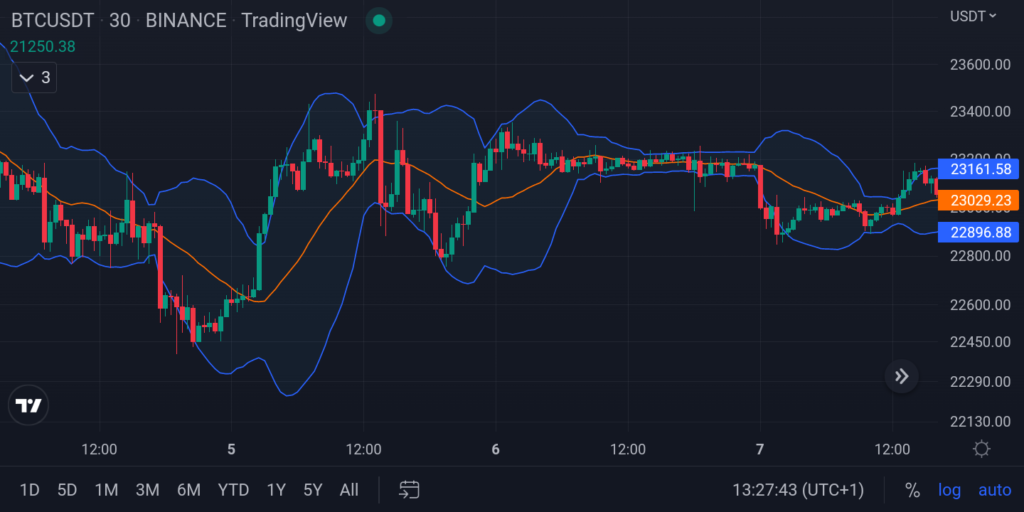
| TradingView | Chart analysis | Industry standard for technical analysis |
| CoinGlass | Liquidation data | Excellent during volatile sessions |
| CoinMarketCap | Market tracking | Great for overall market monitoring |
| Glassnode | On-chain analytics | Powerful but expensive |
| CryptoQuant | Exchange flow analysis | Helpful for whale activity |
TradingView alone dramatically improved my trading accuracy because it helped me identify stronger support and resistance zones.
Swing Trading Offers More Balance
Swing trading is my personal favorite approach.
Instead of chasing minute-by-minute movements, swing traders hold positions for several days or weeks.
This style suits people with jobs, businesses, or families.
Why Swing Trading Works Well
Swing trading reduces emotional stress significantly.
You avoid random short-term noise while capturing larger market moves.
For example:
- Buying Ethereum near support
- Holding through momentum
- Selling near resistance zones
Simple concept. Difficult execution.
The biggest challenge is patience.
Many traders exit winning positions too early because they fear losing profits.
Scalping Is Not for Everyone
Scalping involves making dozens of quick trades daily.
Profits are small but frequent.
Some scalpers hold positions for less than five minutes.
Personally, I dislike scalping.
Why?
Because transaction fees, stress, and emotional fatigue destroy consistency for most traders.
Still, experienced scalpers thrive during high-volume market conditions.
Scalping Requires Three Things
- Fast execution
- Strict discipline
- Exceptional focus
Without all three, losses compound quickly.
Trend Following Remains Underrated
One of the oldest crypto trading strategies still works beautifully.
Trend following.
Sounds simple. Because it is.
The concept:
- Buy during confirmed uptrends
- Sell during confirmed downtrends
- Avoid fighting momentum
Yet most traders do the opposite.
They try predicting reversals constantly.
Bad idea.
Here is something I learned after years of trading: trends often continue longer than people expect.
Risk Management Matters More Than Indicators
This section may upset indicator enthusiasts.
Indicators are overrated.
Risk management matters far more.
I have seen mediocre traders survive and grow because they managed risk properly. I have also seen brilliant analysts blow up accounts within months.
My Personal Risk Rules
These rules changed my trading career completely:
| Rule | Purpose |
|---|---|
| Never risk over 2% per trade | Protects capital |
| Always use stop losses | Prevents catastrophic losses |
| Avoid revenge trading | Controls emotions |
| Reduce leverage during uncertainty | Limits volatility exposure |
| Take partial profits | Locks in gains |
Boring? Yes.
Effective? Absolutely.
Understanding Market Psychology
Crypto markets are emotional ecosystems.
Fear spreads quickly. Greed spreads even faster.
Successful traders understand crowd psychology better than chart patterns.
Emotional Cycles in Crypto
Markets often follow this emotional pattern:
- Excitement
- Optimism
- Euphoria
- Panic
- Capitulation
- Recovery
Most retail traders buy near euphoria and sell near panic.
Experienced traders usually do the opposite.
That difference separates profitable traders from emotional gamblers.
AI and Automation Are Changing Trading
Artificial intelligence is reshaping crypto rapidly.
Trading bots now execute strategies faster than humans ever could.
Popular automation platforms include:
But here is my controversial opinion.
Most beginners should avoid bots initially.
Why?
Because automation magnifies bad strategies too.
A bad strategy running 24/7 loses money faster.
The Importance of Macro News
Crypto no longer exists in isolation.
Federal Reserve announcements now impact Bitcoin heavily. Inflation data affects risk assets globally. ETF approvals influence institutional demand.
Ignoring macroeconomics today is dangerous.
Serious traders monitor:
- Interest rates
- Inflation reports
- US dollar strength
- ETF developments
- Regulatory updates
This became painfully obvious after the 2024 Bitcoin ETF approvals triggered massive institutional inflows.
Portfolio Diversification Still Matters
Many traders go all-in on one coin.
Huge mistake.
Diversification protects traders from catastrophic losses.
A balanced crypto portfolio may include:
| Asset Type | Example |
|---|---|
| Large-cap crypto | Bitcoin |
| Smart contract platform | Ethereum |
| AI-related projects | Render |
| Exchange tokens | BNB |
| Stablecoins | USDT or USDC |
Diversification reduces emotional stress significantly during volatility.
Common Crypto Trading Strategies Compared
| Strategy | Time Commitment | Risk Level | Best For |
|—|—|—|
| Day Trading | High | High | Full-time traders |
| Swing Trading | Medium | Medium | Working professionals |
| Scalping | Very High | High | Advanced traders |
| Trend Following | Medium | Medium | Patient traders |
| Position Trading | Low | Lower | Long-term participants |
Each strategy fits different personalities.
That matters more than people realize.
What I Wish I Knew Earlier
I wish someone had told me this in 2021:
You do not need constant action to make money.
Some of my best trades came from waiting patiently for weeks.
Most losses came from forcing trades out of boredom.
The crypto market punishes impatience aggressively.
Frequently Asked Questions
What are the best crypto trading strategies for beginners?
Swing trading and trend following usually work best for beginners because they reduce emotional pressure and require fewer daily decisions.
Is crypto trading profitable in 2026?
Yes, but profitability depends heavily on discipline, risk management, and market understanding.
How much money should beginners start with?
Many experienced traders recommend starting with small amounts under $500 while learning.
Are trading bots worth using?
Bots can help experienced traders automate strategies, but beginners often misuse them.
Which crypto exchange is best?
Popular options include Kraken, Coinbase, and OKX depending on region and trading style.
Is leverage dangerous?
Yes. High leverage destroys accounts quickly during volatility.
Do professional traders use indicators?
Yes, but they rely more on risk management and market structure.
Can crypto trading become a full-time career?
Possible, but difficult. Most traders fail because they underestimate emotional pressure.
What is the safest crypto trading strategy?
Long-term trend following with strict risk management tends to be safer than aggressive scalping.
How long does it take to become profitable?
For most traders, consistent profitability takes one to three years.
Final Thoughts
Crypto trading looks glamorous online. In reality, it is a psychological battlefield.
The most effective crypto trading strategies are usually simple, disciplined, and repeatable. Fancy indicators rarely save emotional traders from poor decisions.
Real success comes from patience, risk control, emotional discipline, and continuous learning.
The traders who survive long term are not necessarily smarter. They are simply more consistent.
And honestly? Consistency is far rarer than intelligence in crypto markets today.
So before chasing the next viral coin or flashy trading system, ask yourself one question:
Are you building a sustainable trading process… or just chasing excitement?
crypto trading strategies crypto trading strategies crypto trading strategies crypto trading strategies crypto trading strategies crypto trading strategies crypto trading strategies crypto trading strategies crypto trading strategies crypto trading strategies