


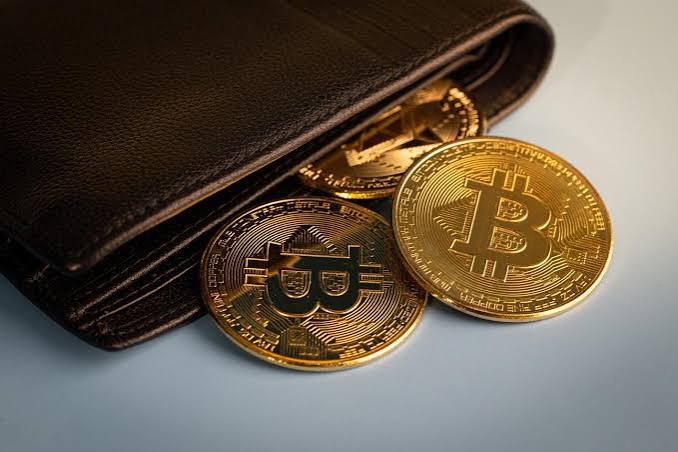
Introduction
Imagine buying your first cryptocurrency after weeks of research. You are excited about the investment and expect it to grow over time. Then someone asks a simple question: “Where will you store it?” Many beginners assume their coins stay safely inside an exchange account forever. In reality, choosing the right coin wallet is one of the most important decisions you will make as a crypto investor.
A coin wallet protects your digital assets and gives you control over your private keys. It also lets you send, receive, and manage cryptocurrencies across different blockchain networks. Whether you own Bitcoin, Ethereum, Solana, or hundreds of other digital assets, the right wallet improves both security and convenience.
Crypto adoption continues to grow worldwide. With that growth comes an increase in phishing attacks, fake wallet apps, and online scams. Good security habits can make the difference between protecting your investments and losing access to your funds.
This guide explains how coin wallets work, the different wallet types, their advantages and disadvantages, and the best practices for choosing one that fits your needs.

Executive Summary
If you only have a few minutes, here are the key points.
| Topic | Summary |
|---|---|
| Best for beginners | Trust Wallet |
| Best for long-term storage | Ledger Nano X |
| Best open-source wallet | Trezor Model T |
| Lowest-cost option | Software wallets |
| Biggest risk | Losing your recovery phrase |
| Best practice | Use a hardware wallet for large holdings |
Key Takeaways
- A coin wallet stores your private keys, not your coins.
- Hardware wallets offer stronger protection than online wallets.
- Always back up your recovery phrase offline.
- Verify wallet addresses before every transaction.
- Never share your private keys with anyone.
What Is a Coin Wallet?
A coin wallet is a software application or hardware device that stores the private keys needed to access cryptocurrency on a blockchain.
Your coins remain on the blockchain itself. The wallet simply proves ownership and allows you to authorize transactions.
Every wallet includes three important elements:
- Public Address – Used to receive cryptocurrency.
- Private Key – Used to approve transactions.
- Recovery Phrase – Used to restore your wallet if you lose your device.
Many people compare a wallet to online banking, but there is one major difference. With cryptocurrency, you are responsible for protecting your own keys.
Types of Coin Wallets
Hot Wallets
A hot wallet stays connected to the internet. It is convenient for everyday use and active trading.
Advantages
- Easy to install
- Free to use
- Fast transactions
- Supports decentralized applications
- Suitable for beginners
Disadvantages
- More exposed to online threats
- Depends on device security
- Higher phishing risk
Popular hot wallets include Trust Wallet, MetaMask, Coinbase Wallet, Exodus, and Phantom.
Cold Wallets
Cold wallets store private keys offline.
Advantages
- Excellent security
- Protection from online attacks
- Ideal for long-term investors
- Supports secure backups
Disadvantages
- Initial purchase cost
- Less convenient for frequent trading
- Requires careful storage of recovery phrases
Popular hardware wallets include Ledger Nano X, Ledger Nano S Plus, Trezor Model T, and SafePal S1.

Hot Wallet vs. Cold Wallet
| Feature | Hot Wallet | Cold Wallet |
|---|---|---|
| Internet Access | Yes | No |
| Security | Good | Excellent |
| Cost | Usually Free | Paid |
| Best Use | Daily transactions | Long-term storage |
| Convenience | Very High | Moderate |
Benefits of Using a Coin Wallet
Using your own wallet provides several advantages.
- Full ownership of digital assets
- Better security than leaving funds on an exchange
- Greater privacy
- Access to Web3 applications
- Support for staking and decentralized finance
- Easy portfolio management
A personal wallet also reduces dependence on centralized exchanges.
Common Mistakes to Avoid
Many crypto losses happen because of simple mistakes.
Avoid these common errors:
- Saving recovery phrases in cloud storage
- Downloading fake wallet apps
- Sharing private keys
- Ignoring software updates
- Sending crypto to the wrong blockchain
- Investing without learning wallet basics
Good habits reduce unnecessary risks.
Personal Experience

A colleague once transferred cryptocurrency from an exchange to a hardware wallet. Before moving the full balance, they sent a small test transaction. The first transfer succeeded, confirming the address was correct. Only then did they move the remaining funds.
That simple step prevented a potentially expensive mistake and reinforced an important lesson: always verify transactions before sending larger amounts.
Conclusion
A coin wallet is much more than a place to manage cryptocurrency. It is your personal security system for protecting digital assets. Choosing the right wallet depends on your investment goals, trading habits, and comfort level with technology.
If you trade regularly, a reputable software wallet may be enough for daily use. If you plan to hold larger amounts for months or years, a hardware wallet provides stronger protection. Regardless of your choice, always keep your recovery phrase safe, verify transactions carefully, and stay informed about new security threats.
Taking a few extra minutes to secure your wallet today can help protect your investments for years to come.