

If you’ve ever opened TradingView Subscriptions during a volatile market session and felt like the free version was holding you back, you’re not alone. A trader watching Bitcoin swing 8% in a single afternoon or a swing trader tracking multiple Forex pairs often hits the same wall: delayed alerts, limited indicators, and restricted chart layouts right when timing matters most.
That moment usually leads to the same search: Which TradingView subscriptions is actually worth it?
But here’s the uncomfortable truth most beginners miss. The best plan isn’t the most expensive one. It’s the one aligned with how you actually trade—not how influencers say you should trade. I learned this the hard way after paying for the Premium tier before I even needed half its features. Most of them sat unused while I still struggled with inconsistent strategy execution.
TradingView subscriptions are not just about unlocking features. They shape your workflow, your decision speed, and even your emotional discipline. The wrong plan quietly wastes money and creates false confidence. The right one removes friction and helps you execute with clarity.
In this guide, we’ll break down TradingView subscriptions ecosystem in a practical, no-nonsense way. You’ll see what each plan actually changes in real trading conditions, where most traders overspend, and how professionals decide what they really need. No hype, no fluff—just a grounded breakdown based on real usage patterns.
Why TradingView subscriptions matter more than most traders think
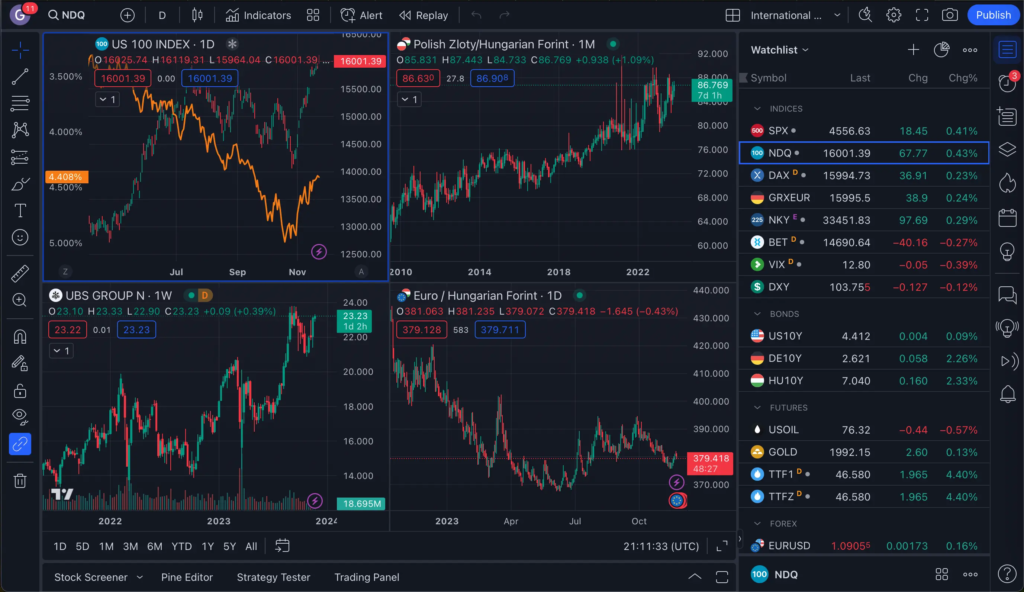
TradingView subscriptions are not just “upgrades.” They directly affect how fast you can react to markets, how many strategies you can test, and how clean your decision-making process becomes. Free plans often feel fine at first, but limitations start to matter when you move from casual charting to active trading.
Here’s what typically changes behavior:
A trader on the free plan might rely on 1–2 indicators and a single chart tab. That forces simplification, which is not always bad. But once strategies expand, limitations slow down testing. Paid tiers remove those bottlenecks and allow multi-chart layouts, more indicators, and faster alerts.
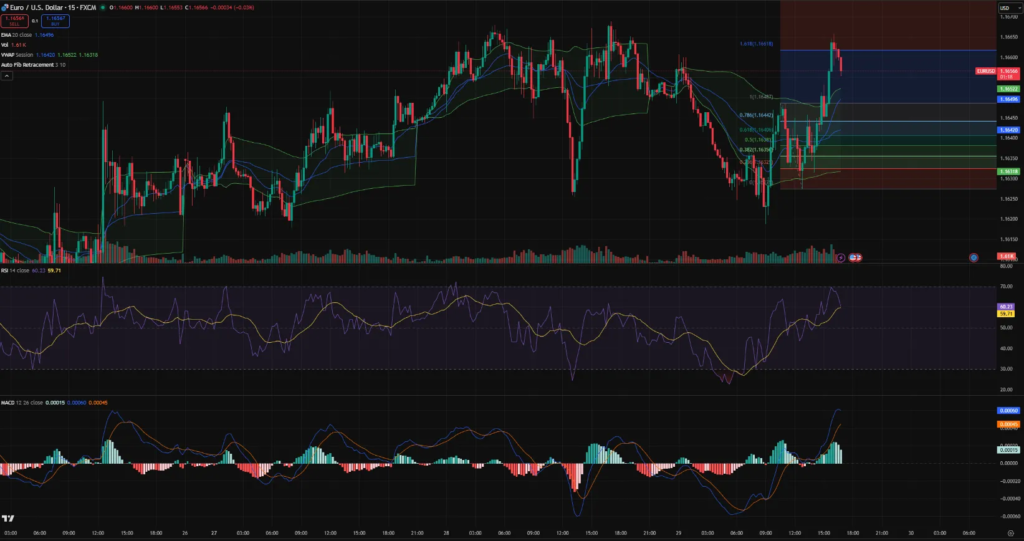
I remember testing a breakout strategy on EUR/USD while juggling only one chart window. I missed correlations simply because I couldn’t view multiple timeframes simultaneously. After upgrading to a higher tier temporarily, the difference wasn’t subtle—it changed how I structured entries entirely.
But there’s a contrarian truth here. More tools can actually reduce performance if your system isn’t mature. I’ve seen traders overload charts with 10+ indicators just because they could. That leads to hesitation, not clarity.
So the real question isn’t “Which plan is best?” It’s “How complex is your decision system right now?”
What do TradingView subscriptions plans actually include?
TradingView offers three core tiers beyond the free version: Pro, Pro+, and Premium. Each one expands limits rather than changing the core platform.
At a high level:
The Pro plan is designed for active beginners who need more alerts and indicators.
The Pro+ plan suits intermediate traders managing multiple strategies or assets.
The Premium plan is built for advanced users who rely heavily on alerts, multi-layout analysis, and real-time responsiveness.
What most people miss is that the biggest upgrade isn’t indicators—it’s alerts. Alerts are what connect analysis to execution. Without them, you’re chained to your screen.
I once spoke to a day trader in London who said, “I don’t need more charts. I need better timing.” He wasn’t joking. He upgraded purely for alert flexibility, not visuals.
Still, there’s a hidden trap. Beginners often jump to Premium thinking it will improve results automatically. It doesn’t. It only improves access.
How much do TradingView subscriptions cost and are they worth it?
Pricing changes occasionally, but TradingView subscriptions typically range from budget-friendly monthly plans to higher annual Premium tiers that can exceed $50+ per month equivalent depending on billing cycle and promotions.
Here’s the real question: are they worth it?
It depends on your trading frequency and capital size.
If you’re trading casually—say a few times a week—Pro is usually enough. If you’re actively managing multiple positions or watching several markets, Pro+ becomes more realistic. Premium only makes sense if timing precision is critical to your edge.
I made a mistake early on by upgrading too fast. I thought more features would fix inconsistent entries. They didn’t. What actually helped was simplifying my strategy first.
One underrated insight: TradingView subscriptions scale better with discipline than with ambition. If your strategy is unclear, even Premium becomes noise.
What features actually matter for real traders?
Let’s strip away marketing language and focus on what actually impacts trading performance.
The most meaningful features are:
Multi-chart layouts
Advanced alert systems
More indicators per chart
Faster data access
Server-side alerts
Multi-chart layouts matter for confirmation. For example, watching BTC on both 15-minute and 4-hour charts simultaneously prevents false entries.
Alerts matter even more. They remove emotional decision-making. Instead of watching charts all day, you respond when conditions match.
A trader I studied in a Discord group used only alerts and no live chart watching. His biggest improvement wasn’t strategy—it was emotional stability.
But here’s the catch. Too many alerts create chaos. I’ve seen traders drown in notifications, reacting instead of planning.
Who actually benefits from upgrading TradingView?
Not every trader needs a paid subscription. That’s a hard truth many overlook.
You benefit most if:
You trade multiple assets daily
You rely on technical setups
You need precise entry timing
You manage risk across positions
You probably don’t need an upgrade if:
You are still learning basics
You only check charts occasionally
You rely on long-term investing decisions
I’ve seen long-term investors outperform active traders using only free tools because their strategy, not their software, was stronger.
The subscription doesn’t create skill. It only removes friction from existing skill.
Common mistakes traders make when choosing a plan
The biggest mistake is upgrading emotionally.
Market volatility creates urgency. Bitcoin pumps, traders panic, and suddenly Premium feels like a “solution.” It rarely is.
Another mistake is feature hoarding. More tools feel productive but often reduce clarity. A clean chart beats a complex one almost every time.
A third mistake is ignoring workflow. If you don’t use alerts properly, Premium won’t help you.
I once worked with a trader who had Premium but ignored alerts entirely. He manually checked charts all day. That’s like owning a car and walking everywhere anyway.
How professionals actually use TradingView subscriptions
Professional traders don’t use TradingView for “more analysis.” They use it for structured execution.
Their workflow is simple:
Scan markets
Mark key levels
Set alerts
Wait
They avoid constant chart watching. That reduces emotional fatigue.
One prop trader I observed used only two indicators and relied heavily on price action. His TradingView setup was minimal, but his discipline was strong.
The subscription mattered only because it supported his system—not because it created it.
Is upgrading always the right move?
No. And this is where most advice online gets it wrong.
Upgrading only makes sense when your current limitations block execution. Not when you feel curious. Not when you want “better results.”
If your trading system is inconsistent, upgrading will not fix it. It will just give you more tools to mismanage.
I’ve personally downgraded accounts before. That experience taught me something uncomfortable: simplicity often improves performance more than expansion.
TradingView subscriptions comparison (practical view)
| Plan | Best For | Key Strength | Main Limitation |
|---|---|---|---|
| Free | Beginners | Basic charting | Limited alerts |
| Pro | New active traders | More indicators | Still restricted layouts |
| Pro+ | Intermediate traders | Balanced tools | Cost vs usage ratio |
| Premium | Advanced traders | Full alert system | Easy to overuse |
This table isn’t about features. It’s about trading maturity levels.
Final thoughts: choosing based on how you actually trade
TradingView subscriptions are not about status or completeness. They are about removing friction from your decision-making process.
If your strategy is simple, a simple plan is enough. If your execution depends on timing across multiple assets, higher tiers become useful.
But here’s the real insight most traders ignore. The best traders don’t rely on TradingView Subscriptions features to improve performance. They rely on consistency, risk control, and patience. The platform is just the environment—not the edge.
So before upgrading, ask yourself one question: are you limited by your tools, or by your system?
That answer determines everything.
And maybe the better question is this: if you removed half your indicators today, would your trading actually get worse—or finally get clearer?