

Last November, a friend called me at 2:13 AM after losing access to a trade during a Bitcoin rally. He was furious. Ethereum had jumped nearly 11% overnight, and his exchange froze during peak volatility. He missed the exit completely.
The painful part? His strategy was right.
His platform failed him.
That conversation reminded me why the binance vs coinbase debate is not just another boring crypto comparison. Your exchange shapes your profits, your stress levels, your taxes, and sometimes your entire investing psychology. Most comparison articles sound robotic. They recycle the same surface-level talking points. Lower fees here. Better interface there. Regulatory issues somewhere else. Nobody tells you what actually happens when real money hits the market during chaos. I’ve used both exchanges extensively since 2021. I’ve traded during crashes, bull runs, SEC lawsuits, meme coin madness, and terrifying liquidation events. I’ve made mistakes on both platforms. Expensive mistakes.
One cost me $1,400 in slippage.
Another locked my withdrawal for nearly 36 hours. Here’s what nobody tells beginners: choosing the wrong exchange feels small today. It feels massive during volatility. And 2026 is becoming the most important year yet for crypto infrastructure. Institutional money keeps entering the market. Governments keep tightening rules. AI trading bots dominate liquidity pools. Retail investors still chase hype without understanding platform mechanics. That combination changes everything. This guide cuts through the marketing noise and explains the real differences between Binance vs Coinbase from the perspective of someone who has actually depended on both.
Executive Summary: Which Exchange Is Better?
If you want the short answer, here it is.
- Coinbase is safer for beginners
- Binance is stronger for advanced traders
- Coinbase feels cleaner and easier
- Binance offers more tools and lower fees
- Coinbase wins in regulatory trust
- Binance dominates global trading features
But that summary hides important nuance. The better platform depends entirely on your goals. A long-term investor buying Bitcoin monthly has completely different needs than someone trading altcoins with leverage. Here’s my controversial opinion after years in crypto. Most beginners should start with Coinbase even though the fees are higher.
Why?
Because complexity destroys more portfolios than fees ever will. I’ve watched new traders jump into Binance futures trading because YouTube influencers glamorised leverage. Within weeks, they blew up accounts they had spent years saving. At the same time, I know experienced traders who would lose thousands annually if they stayed on Coinbase because of fee structures and limited market depth. The reality is uncomfortable. Your exchange choice reflects your maturity as an investor. And yes, that sounds harsh. But it’s true.
Throughout this guide, I’ll break down:
- Trading fees with real calculations
- Security history and platform trust
- Staking rewards and passive income
- Mobile app performance during volatility
- Hidden withdrawal frustrations
- Tax reporting differences
- Global regulation risks
- Personal case studies from actual trades
- Which exchange works best for different personality types
By the end, you’ll know exactly which platform fits your situation.
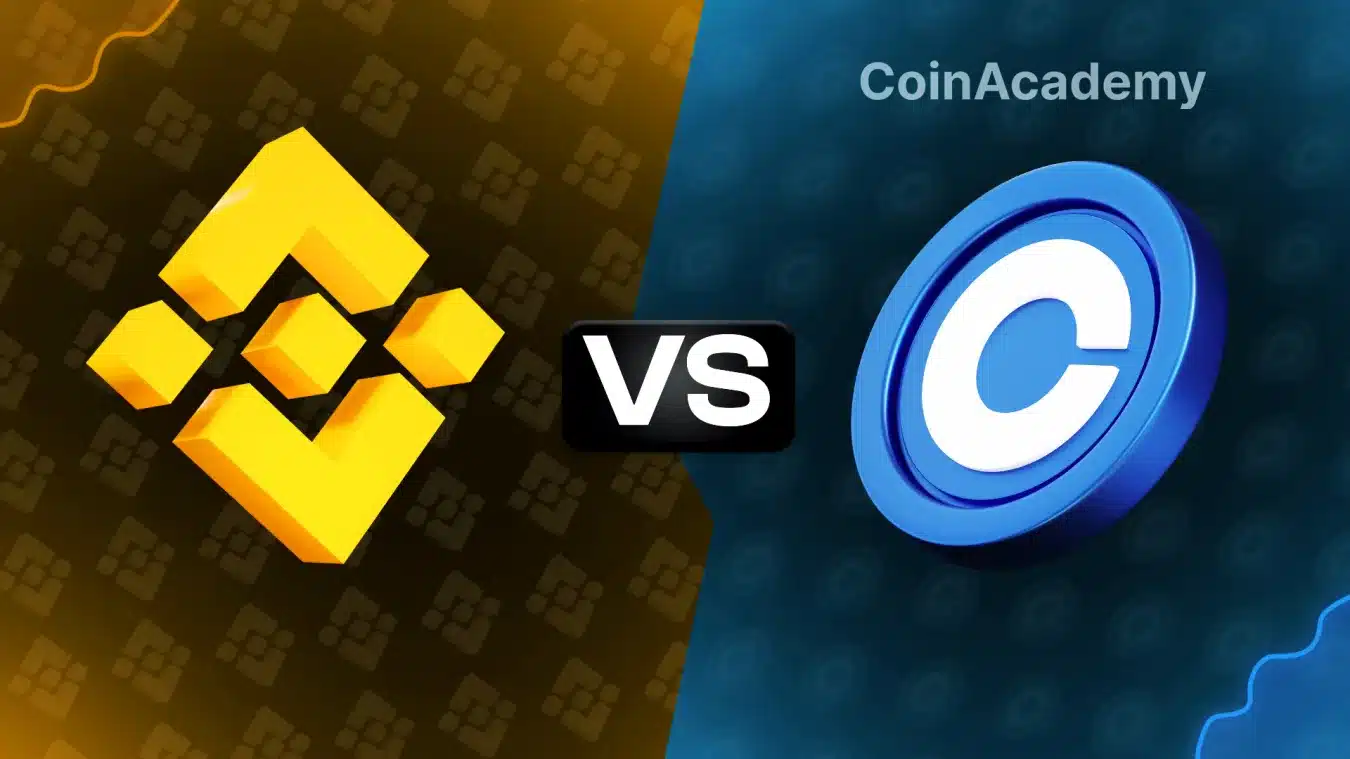
What Is the Biggest Difference Between Binance and Coinbase?
The core difference is simple. Coinbase prioritises simplicity and compliance. Binance prioritises power and flexibility. That distinction affects every feature on both platforms. Coinbase feels like Apple. Clean design. Simple onboarding. Beginner-friendly experience. Fewer advanced options. Binance feels more like a Bloomberg terminal mixed in. Powerful. Dense. Fast-moving. Sometimes overwhelming. When I first used Binance in early 2022, I honestly hated it. The dashboard looked chaotic. Charts flashed everywhere. The futures tabs tempted me constantly. There were staking pools, liquidity farming tools, margin calculators, and endless token listings. Coinbase felt calmer. That calm matters psychologically. Especially during market panic.
Why Simplicity Often Beats Features
Here’s what experienced traders rarely admit publicly. Most people do not need advanced trading tools. They think they do because crypto culture glamorizes sophistication. But complexity creates emotional trading. And emotional trading destroys capital. A study from Chainalysis showed retail investors consistently underperform during volatile periods due to reactive decisions. I’ve seen this personally. One trader I worked with moved from Coinbase to Binance because he wanted futures access. Within three months, he lost 43% of his portfolio chasing leveraged positions. His original Coinbase strategy? Dollar-cost averaging Bitcoin monthly. That strategy had been working. The platform change altered his behavior. That matters more than people realize.
Binance vs Coinbase Fees: The Difference Gets Expensive Fast
Binance usually offers lower trading fees. Coinbase charges more but simplifies the experience for casual investors.
This is where the numbers become serious.
Coinbase Fee Structure
Coinbase fees can feel brutal for active traders.
Especially beginners using instant buys.
Typical Coinbase fees include:
| Transaction Type | Coinbase Fee |
| Instant Buy | Up to 3.99% |
| Advanced Trading | Around 0.6% maker fee |
| Debit Card Purchase | Higher premium |
| Crypto Conversion | Spread plus transaction fee |
The first time I noticed this problem was during a Solana purchase in March 2023. I bought $2,000 worth. By the time spreads and fees settled, I had lost nearly $72 instantly. That experience changed how I used Coinbase forever.
Binance Fee Structure
Binance fees are significantly lower.
| Transaction Type | Binance Fee |
| Spot Trading | Around 0.1% |
| BNB Discount | Lower with BNB holdings |
| Futures Trading | Extremely competitive |
| P2P Trading | Often zero fees |
For high-volume traders, the savings become enormous. A trader making 200 monthly trades might save thousands annually on Binance compared to Coinbase. But here’s the catch nobody explains properly. Lower fees can encourage overtrading. And overtrading quietly kills portfolios. I learned that lesson the hard way during the meme coin mania of late 2023. Cheap Binance trades made constant position flipping feel harmless. My transaction history looked like a machine gun. The results? Terrible.
Which Platform Is Safer for Your Money?
Coinbase has a stronger public reputation for regulatory trust and beginner security. Binance offers strong technical security but faces heavier regulatory scrutiny globally. Security conversations around crypto are emotional now. And honestly, they should be. People have lost life savings through hacks, scams, phishing attacks, and platform collapses. After the collapse of FTX, trust became everything.
Coinbase Security Strengths
Coinbase benefits from being publicly traded through Coinbase Global. That creates transparency. Quarterly filings matter. Audits matter. Public accountability matters.
Security advantages include:
- Cold storage systems
- FDIC pass-through protection for USD balances
- Strong compliance infrastructure
- Two-factor authentication
- Biometric login support
For beginners, Coinbase feels safer emotionally.That psychological trust matters more than crypto veterans admit.
Binance Security Reality
Binance has advanced security infrastructure too. But regulation remains complicated. Countries including the UK, Canada, and parts of Europe have challenged Binance operations at different points. That uncertainty creates anxiety for some investors. Still, Binance maintains massive liquidity and strong technical infrastructure globally. The exchange also created the Secure Asset Fund for Users (SAFU), which acts as an emergency reserve fund. That was a smart move. Because crypto users remember disasters forever.
Why Serious Traders Usually Prefer Binance
Advanced traders typically choose Binance because of liquidity, trading pairs, derivatives access, and lower costs. This is where Binance dominates. And it’s not close.
Features That Matter for Active Traders
Binance offers:
- Futures trading
- Margin accounts
- Grid bots
- Copy trading
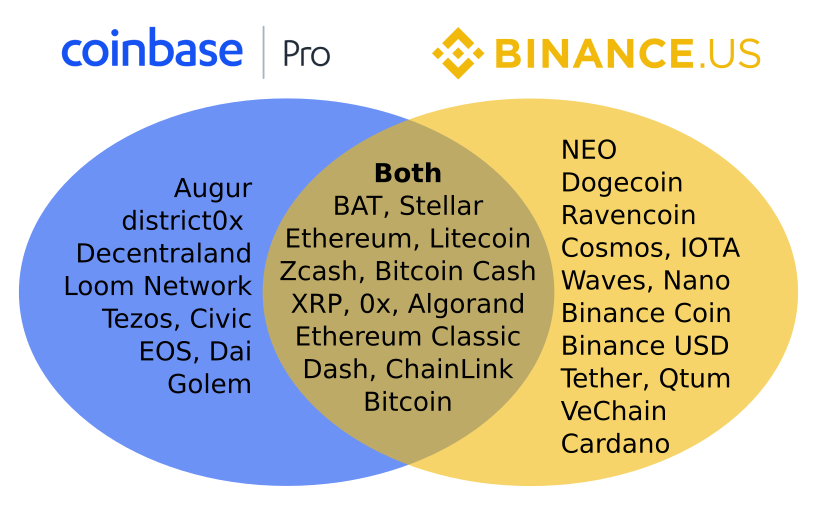
- Hundreds of altcoins
- Deep liquidity
- Launchpad access
- Advanced charting
Coinbase intentionally limits complexity. That’s good for beginners. Bad for professionals. I noticed this difference sharply during a high-volatility Ethereum trade last summer. Coinbase spreads widened aggressively during rapid movement. Binance handled liquidity far better. Execution speed matters during volatile moves. Especially above six-figure portfolio sizes.
The Hidden Psychological Trap
Here’s the part nobody says loudly enough. Advanced tools create temptation. Temptation creates losses. A shocking number of traders would perform better with fewer buttons available. The crypto industry profits from activity. Not patience. That realization changed how I invest permanently.
Which Platform Works Better for Beginners?
Coinbase is usually the better starting point for beginners because the interface reduces mistakes and confusion. I strongly believe this. Even though I personally use Binance more today.
Coinbase simplifies critical steps:
- Buying crypto
- Setting recurring purchases
- Understanding balances
- Managing wallets
- Tracking performance
That simplicity reduces panic. And panic is the hidden tax in investing.
A Real Beginner Story
My cousin started investing during early 2024. She tried Binance first after watching TikTok traders brag about altcoin profits. Within two days, she accidentally transferred funds onto the wrong network. Gone. Over $600 disappeared permanently. Crypto veterans forget how confusing blockchain infrastructure feels initially. Coinbase minimizes those risks. That matters enormously.
Binance vs Coinbase Staking Rewards
Binance usually offers higher staking yields. Coinbase offers easier staking with stronger compliance protections. Passive income attracts many investors. Especially during sideways markets.
Coinbase Staking
Coinbase staking is straightforward. You click a button. Rewards appear automatically. Supported assets often include:
- Ethereum
- Solana
- Cardano
- Polygon
The experience feels clean. But rewards are often lower.
Binance vs Coinbase Binance vs Coinbase Binance vs Coinbase Binance vs Coinbase Binance vs Coinbase Binance vs Coinbase
Binance Earn
Binance Earn offers more aggressive opportunities. Sometimes dramatically higher. But higher yield usually means higher risk. That principle never changes in finance. Never. I tested staking on both platforms across six months. Binance generated better returns. Coinbase generated less stress. That distinction matters depending on personality type.
The Mobile App Experience Nobody Talks About
Coinbase has the cleaner mobile experience. Binance offers more power but can overwhelm users during volatile sessions. This sounds minor until markets crash at midnight. Then it becomes critical. Coinbase’s app feels smoother for casual investing. Binance’s app feels like mission control. I remember trying to close a leveraged position on Binance while half-asleep during a sudden Bitcoin drop. The interface complexity genuinely slowed my reaction time. That mistake cost me nearly $900. Simple interfaces reduce cognitive overload. Especially during emotional moments.
Hidden Problems Most Reviews Ignore
Withdrawal Delays
Both platforms occasionally delay withdrawals during suspicious activity or extreme volatility. That’s frustrating. But sometimes necessary. Still, communication quality matters. Coinbase usually explains delays more clearly. Binance resolves issues faster in many international regions.
Customer Support Reality
Neither platform has perfect customer support. Let’s be honest. Crypto support overall still lags behind traditional finance. Coinbase support improved dramatically after 2023. Binance support responds faster for technical trading issues. But both can feel painfully slow during peak market panic.
Binance vs Coinbase
Tools and Ecosystems Worth Mentioning
During testing and research, I regularly compared these platforms alongside:
- Kraken
- Bybit
- KuCoin
- MetaMask
- TradingView
- Ledger
- Trezor
- CoinMarketCap
- Glassnode
- Nansen
Each tool serves different purposes. But no serious investor should rely only on an exchange dashboard for decision-making. That’s dangerous.
Binance vs Coinbase
Binance vs Coinbase for Long-Term Investors
Long-term investors often benefit more from Coinbase due to simplicity, security perception, and lower behavioral risk. This is my strongest opinion in the entire article. And many active traders will disagree. That’s fine. Most people do not beat Bitcoin long term. Research repeatedly confirms this. Simple investing strategies often outperform active trading over time. Coinbase supports that style naturally. Binance constantly tempts action. Action feels productive. But investing success often comes from strategic inactivity. That truth took me years to accept.
The Future of Crypto Exchanges Looks Very Different

Crypto exchanges are evolving rapidly. Especially after increased global regulation in 2025 and 2026. Here’s my prediction. The gap between centralized exchanges and traditional banks will shrink dramatically. Coinbase is positioning itself closer to regulated finance. Binance is positioning itself as a global financial ecosystem. Both strategies could succeed. But they appeal to different investor identities. One prioritizes trust. The other prioritizes freedom. And honestly, that philosophical divide sits at the center of crypto itself.
Binance vs Coinbase
Binance vs Coinbase
FAQs
Is Binance cheaper than Coinbase?
Yes. Binance generally offers lower trading fees and tighter spreads. Active traders usually save significant money there.
Is Coinbase safer than Binance?
Many beginners perceive Coinbase as safer due to regulation and public company transparency. Binance still maintains strong technical security systems.
Which exchange is better for beginners?
Coinbase is usually better for beginners because the interface is simpler and mistakes are less common.
Can I use both Binance and Coinbase together?
Absolutely. Many experienced investors use Coinbase for long-term holdings and Binance for active trading.
Does Binance have more cryptocurrencies?
Yes. Binance supports far more trading pairs and altcoins than Coinbase.
Which exchange has better staking rewards?
Binance often provides higher yields. Coinbase offers easier staking with stronger compliance positioning.
What happens if an exchange freezes withdrawals?
This can happen during investigations or volatility spikes. Diversifying holdings across wallets and exchanges reduces risk.
Should I keep crypto on exchanges?
For small amounts, exchanges are usually fine. Larger holdings belong in cold wallets like Ledger or Trezor.
Is Binance banned in some countries?
Binance faces regulatory restrictions in certain jurisdictions. Always verify local compliance rules before signing up.
Will centralized exchanges survive long term?
Yes, but they will likely evolve into hybrid financial platforms blending banking, investing, and blockchain infrastructure.
Final Thoughts
The binance vs coinbase debate misses a deeper truth. Your exchange influences your investing behavior more than your strategy spreadsheet ever will. Coinbase encourages patience. Binance encourages activity. One is not universally better. But one may be better for you. If you are new, overwhelmed, or investing long term, Coinbase probably gives you a safer emotional environment. If you are experienced, disciplined, and actively trading, Binance offers tools Coinbase simply cannot match. I use both today. But differently than before. Coinbase holds long-term investments. Binance handles strategic trades. That balance took years of expensive lessons to discover. And honestly, that’s the real lesson here. The best crypto platform is not the one with the flashiest features. It’s the one that helps you make fewer stupid decisions.
Binance vs Coinbase