

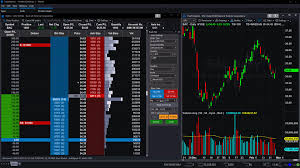
Have you ever wanted to hop into investing, but you felt kinda worried about losing money? yeah, it happens. A lot of new people hesitate to start because they don’t want to make those pricey errors. This is where the investopedia simulator helps, because you can try things first, without the “real life” consequences.
The investopedia simulator lets you practice trading in stocks, ETFs, mutual funds and a few other securities, all using pretend money. It sets up a pretty realistic environment that copies the feel of real market conditions, without putting your savings on the line.
Whether you’re a student, a brand new investor, or you’re trying to test a trading idea, the platform gives a safer place to learn. And honestly, many people who later became successful, began by rehearsing their decisions before they actually invested real funds.
So let’s dig into what you need to know about the Investopedia Simulator, and why it still stays on top as one of the most used stock market simulators around.
What Is Investopedia Simulator?
The investopedia simulator is basically a free virtual trading setup from Investopedia. You can build a simulated portfolio, using virtual cash, while still following real market data.
Think of it like a practice account for investing, just with the numbers that look like the market actually exists in front of you.
Usually you get virtual funds , often around $100,000, and then you can buy or sell stocks like you would in a normal brokerage account. The key difference is that no actual money exchanges hands, so you’re free to learn , mess up a bit, and adjust..
The platform covers a wide range of investment vehicles, including:
- Stocks
- Exchange-Traded Funds (ETFs)
- Mutual Funds
- Options
- Bonds
- Commodities
This makes it useful for both beginners and experienced traders.
Simple Definition
Investopedia Simulator is a virtual stock market game that uses actual market data and pretend money to help people learn investing and trading with no real financial risk. It’s kind of like, you get to practice without the stress of losing your own funds.
Why does Investopedia Simulator matter?
Learning by trial and error inside the actual stock market can get really costly, fast. Research from the Financial Industry Regulatory Authority says that a lot of first-time investors end up making emotional choices, and those choices can damage long term returns. Basically, fear and greed tend to cause people to buy too high, and then sell too low, over and over.
The investopedia simulator fixes that by building a training space where mistakes become lessons instead of outright losses. you don’t have to pay for every error with your savings, which is a pretty big deal.
Here’s the thing most people miss .
Reading books about investing is helpful. Watching YouTube videos from creators like Warren Buffett or Peter Lynch is valuable too.
But investing is ultimately a skill.
Skills improve through practice.
The simulator gives users that practical experience before real money is involved.
How Does the Investopedia Simulator Work?
The platform is surprisingly easy to use.
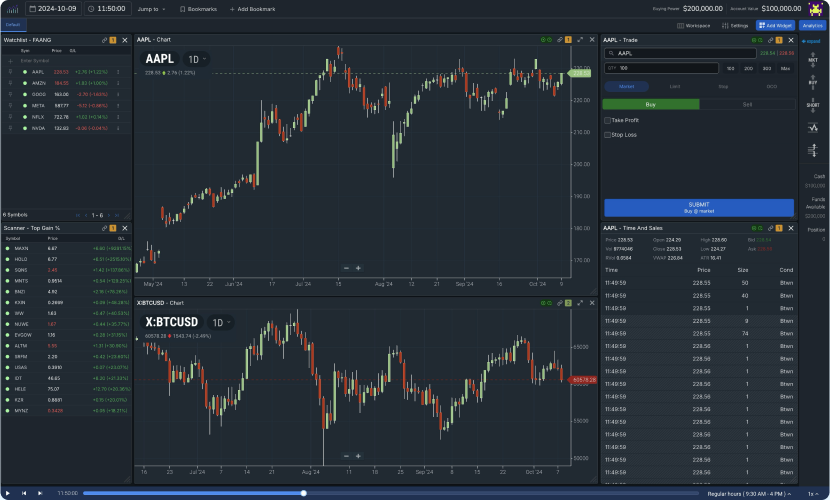
After creating an account, users receive virtual cash that can be invested in different assets. The prices reflect actual market conditions, making the experience realistic.
Portfolio Management
Users can:
- Buy securities
- Sell holdings
- Monitor portfolio performance
- Track gains and losses
- Analyze investment decisions
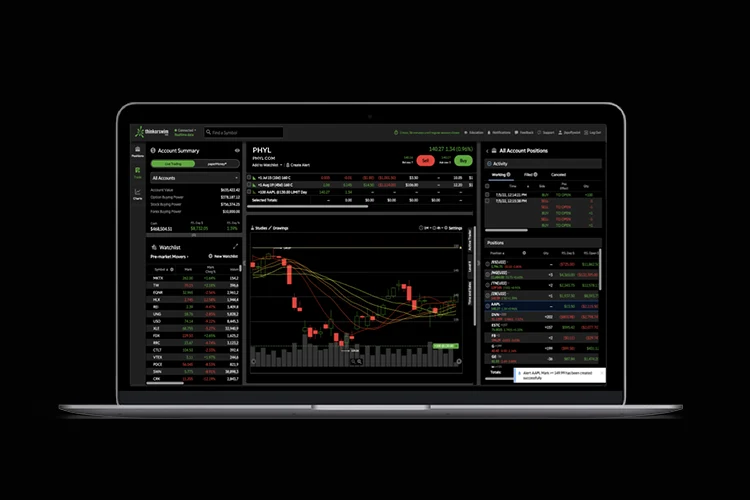
The dashboard shows detailed info about all trades in one place.
Real-Time Market Exposure, basically it keeps up with what is happening in the market, like it follows actual market movements.
So if the shares of Apple Inc. rise in the real market, your virtual portfolio also reflects that upward shift , no delay kind of. The very same idea works for Microsoft too, as well as Tesla and NVIDIA.
Because of that, the whole thing feels more like a real investing experience.
Trading Competitions
One kind of unique option is that you can join trading contests.
Users can compete against friends, classmates, or other investors. These competitions add motivation and they push learning through comparison, which is pretty helpful.
What Can You Learn From Investopedia Simulator?
Many people assume it’s only for beginners.
That’s not true.
The investopedia simulator can help investors at almost every skill level.
Understanding Market Psychology
One of the biggest lessons comes from emotions.
Even when virtual money is involved, users often feel excitement when investments rise and frustration when they fall.
Recognizing these emotions helps build discipline before investing real funds.
Portfolio Diversification
The simulator teaches the importance of diversification.
Instead of putting all virtual money into one stock, users learn to spread investments across sectors such as:
- Technology
- Healthcare
- Energy
- Consumer Goods
- Financial Services
Diversification remains one of the most important investing principles.
Risk Management
Many beginners discover how quickly concentrated positions can create large swings.
Learning risk management in a simulator is far less painful than learning it with actual savings.
Benefits of Using Investopedia Simulator
The platform offers several advantages that explain its popularity.
No Financial Risk
This is the biggest benefit.
Users can experiment freely without worrying about losing money.
Real Market Experience
Unlike simple investing games, the simulator uses actual market data.
This creates a realistic trading environment.
Beginner-Friendly Interface
The design is intuitive.
Even someone with no investing experience can navigate the platform comfortably.
Educational Resources
Investopedia is known for its financial education content.
Users can access articles, tutorials, glossaries, and guides while learning to trade.
Strategy Testing
Experienced traders often use simulators to test strategies before risking capital.
This can help identify weaknesses in a trading approach.
Step-by-Step Guide to Using Investopedia Simulator
If you’re new, follow these steps.
1. Create an Account
Visit Investopedia and sign up for a free simulator account.
2. Receive Virtual Cash
The platform provides a virtual starting balance.
Most users begin with approximately $100,000.
3. Research Investments
Study companies and market trends.
Review financial statements and analyst reports.
4. Build a Portfolio
Purchase stocks, ETFs, or other securities.
Diversify across multiple industries.
5. Track Performance
Monitor gains, losses, and portfolio growth.
Evaluate what works and what doesn’t.
6. Learn From Mistakes
Analyze unsuccessful trades.
Identify decision-making patterns.
7. Refine Your Strategy
Adjust your approach based on results.
Repeat the process consistently.
Investopedia Simulator vs Other Stock Market Simulators
Several alternatives exist.
Here’s a comparison.
| Platform | Best For | Cost | Real Market Data |
| Investopedia Simulator | Beginners & Intermediate Investors | Free | Yes |
| MarketWatch Virtual Stock Exchange | Competitions | Free | Yes |
| TD Ameritrade PaperMoney | Advanced Traders | Free Account Required | Yes |
| Webull Paper Trading | Mobile Traders | Free | Yes |
| TradingView Paper Trading | Technical Analysis | Free/Paid Plans | Yes |
Most people find the investopedia simulator easier to use than many advanced trading platforms.
Real-World Example: Learning Before Investing
A college student interested in investing wanted to learn about stocks but felt uncomfortable risking tuition savings.
Instead of opening a brokerage account immediately, he spent six months using the investopedia simulator.
He built a diversified portfolio including technology companies, ETFs, and dividend-paying stocks.
During that period, he made several mistakes.
He chased momentum stocks.
He ignored diversification.
He sold winners too early.
Fortunately, these mistakes involved virtual money.
When he eventually started investing with real funds, he already understood many common pitfalls.
His confidence improved significantly because he had practical experience.
This is exactly why simulated trading matters.
Common Mistakes to Avoid
Many users repeat the same errors.
Investing All Virtual Money in One Stock
Concentration increases risk dramatically.
Diversification is usually smarter.
Ignoring Research
Random trades rarely produce consistent results.
Study companies before investing.
Trading Too Frequently
Excessive trading often hurts performance.
Patience matters.
Chasing Popular Stocks
Just because everyone talks about a stock doesn’t mean it’s a good investment.
Treating Virtual Money Carelessly
The simulator works best when you treat virtual funds as real money.
That mindset builds stronger habits.
Is Investopedia Simulator Good for Long-Term Investors?
Absolutely.
Many people associate simulators with day trading.
The reality is different.
Long-term investors can use the platform to practice:
- Asset allocation
- Dividend investing
- ETF investing
- Retirement portfolio construction
- Value investing
Strategies inspired by investors like Warren Buffett can be tested over time within the simulator environment.
This makes it useful for a broad range of investing styles.
Future of Investment Simulators
Investment education continues to evolve.
Platforms now combine virtual trading with educational content, analytics, and community features.
As financial literacy becomes more important worldwide, simulators will likely play an even larger role in helping people understand markets.
Younger investors increasingly learn through hands-on experiences rather than textbooks alone.
The investopedia simulator remains well-positioned because it combines education with practical application.
Conclusion
The investopedia simulator is one of the best tools available for learning how investing works without risking real money. It provides a realistic environment where beginners can develop confidence and experienced investors can test strategies.
Whether you’re interested in stocks, ETFs, portfolio management, or trading psychology, the simulator offers valuable hands-on experience. The lessons learned from virtual investing often translate into smarter decisions when real money enters the picture.
If you’ve been putting off learning about the stock market, now is the perfect time to start. Open a simulator account, build a portfolio, and begin developing the skills that successful investors use every day.
Frequently Asked Questions
Is Investopedia Simulator free?
Yes. The Investopedia Simulator is free to use. Users can create an account, receive virtual cash, and begin trading without paying subscription fees.
How much virtual money do you get in Investopedia Simulator?
Most accounts start with approximately $100,000 in virtual cash. This allows users to build diversified portfolios and practice different investment strategies.
Is Investopedia Simulator good for beginners?
Absolutely. The platform is designed for beginners and includes educational resources, tutorials, and easy-to-use trading tools that simplify the learning process.
Can you trade options in Investopedia Simulator?
Yes. The simulator supports options trading along with stocks, ETFs, mutual funds, and several other investment products.
Does Investopedia Simulator use real stock prices?
Yes. The platform reflects real market conditions and actual price movements, making the experience realistic and educational.